This block can do many things.
Need to add an integration with an external tool ? This is the right place. Here is a demo of embeding a custom form using Tally.so
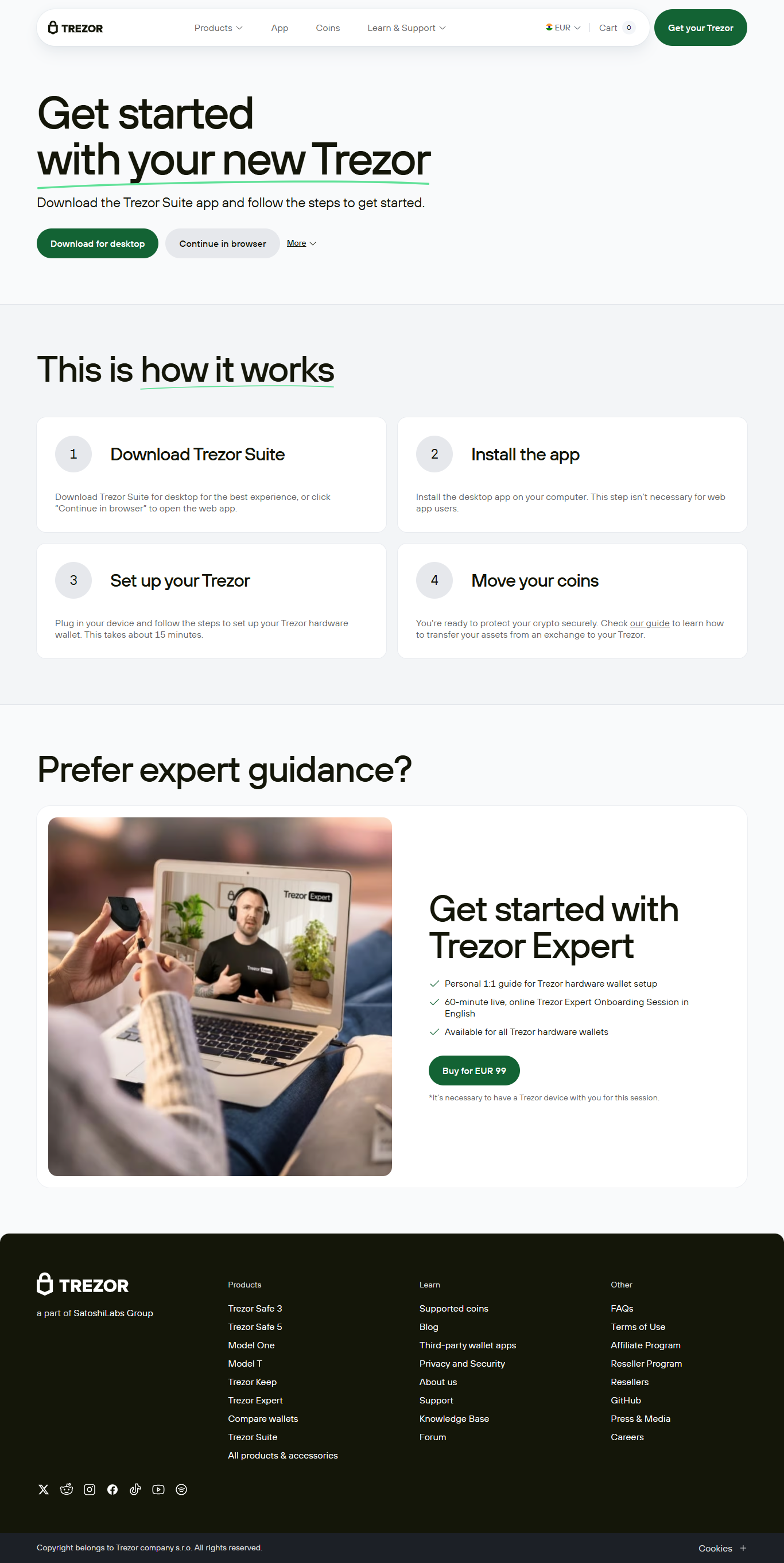
Trezor Login: The Ultimate Guide to Secure Crypto Access in 2025
Master the art of using Trezor Login for maximum cryptocurrency protection. Learn how to access your wallet safely, avoid phishing traps, and stay in full control of your private keys.
🔐 Understanding Trezor Login
Trezor Login is the secure entry point for your Trezor hardware wallet — a login mechanism designed to verify your identity cryptographically, not through passwords. When you log in using your Trezor device, no data or private keys ever leave your wallet. Every verification occurs inside the hardware, making it immune to malware, phishing, or keyloggers.
Instead of “trusting” a centralized password system, Trezor users rely on math — cryptographic signatures — to prove authenticity. This ensures your crypto holdings and identities stay truly yours.
🚀 Step-by-Step: How to Perform Trezor Login
Logging in with your Trezor device takes only a few moments. Follow these five simple steps:
1️⃣ Connect Your Device
Plug your Trezor Model T or Model One into your computer using a secure USB cable. Wait for the device to power up and initialize.
2️⃣ Open Trezor Suite
Launch Trezor Suite (desktop or web). It will automatically detect your connected device and display login options.
3️⃣ Enter PIN
You’ll be prompted to enter your device PIN. The layout on your computer is randomized, but your Trezor shows the actual numbers — protecting you from keyloggers.
4️⃣ Confirm Login on Device
Approve the login request directly on your Trezor screen. This confirms your identity and ensures you’re communicating with the legitimate Suite interface.
5️⃣ Optional: Enter Passphrase
Enable the passphrase feature for enhanced privacy. This creates a hidden wallet accessible only with your custom phrase.
💡 How Trezor Login Works Technically
The magic of Trezor Login lies in cryptographic challenge–response authentication. When you attempt to log in, Trezor Suite sends a random challenge string to your device. The Trezor signs this string using your private key stored safely inside the hardware. The Suite then verifies the signature using your public key.
Since your private key never leaves the device, even a compromised computer can’t steal it. This process is fast, trustless, and entirely offline for the sensitive parts — a true hallmark of Web3 security.
🔒 Comparing Trezor Login to Traditional Systems
Here’s how Trezor Login stacks up against other authentication models:
| Feature | Password Login | Trezor Login |
|---|---|---|
| Authentication Method | Text-based password | Cryptographic device signature |
| Storage Risk | Passwords stored in databases | No data stored online |
| Phishing Resistance | Can be tricked by fake sites | Device confirms authenticity |
| Ease of Use | Simple but insecure | Slightly technical but ultra-secure |
| Control | Managed by service provider | Fully user-controlled |
🧭 Troubleshooting Trezor Login Issues
If you’re having trouble logging in, don’t panic — most issues are easy to fix. Here are quick solutions:
⚙️ Device Not Detected
Ensure the Trezor Bridge software is installed and running. Try a different USB port or cable. If using a browser, switch to Chrome or Firefox.
🔢 Incorrect PIN
After multiple incorrect attempts, your device will introduce time delays. Always match the PIN pattern on your device, not your computer screen.
🌐 Browser Compatibility
For browser logins, make sure you’ve granted USB permissions and are on a legitimate trezor.io domain. Avoid third-party websites offering “login help.”
“Trezor Login doesn’t just protect your crypto — it protects your identity, your future, and your digital independence.”
💬 Frequently Asked Questions
1. Do I need a password for Trezor Login?
No. The login uses cryptographic verification via your Trezor device. You confirm each session physically, not through typed passwords.
2. Can I log in from any computer?
Yes, as long as the system supports Trezor Bridge or the Suite web app. Your private data remains safe since no keys leave the hardware wallet.
3. What if I lose my device?
Your funds can be restored using your recovery seed on a new Trezor device. Keep that seed offline and never share it.
4. Is Trezor Login supported by other platforms?
Yes, several decentralized applications and Web3 wallets support Trezor Login via Trezor Connect, enabling secure authentication across ecosystems.
🌍 Why Trezor Login Defines the Future of Crypto Security
The future of Web3 identity is passwordless. Trezor Login embodies that vision by making each device a physical “key” to your digital world. Unlike centralized systems, it gives you autonomy — the freedom to authenticate without exposing or storing personal credentials.
As decentralized finance (DeFi), NFTs, and Web3 apps grow, hardware authentication like Trezor’s will become the foundation of digital trust. Whether you’re a long-term investor or new to crypto, understanding Trezor Login is a crucial step toward full self-custody and security literacy.
🔑 Trezor Login: Your Shield in the Crypto World
With Trezor Login, your access stays truly yours — offline, encrypted, and verified by the most trusted hardware wallet on the planet. Forget passwords. Embrace cryptography. Secure your freedom.
🛡️ Trust yourself. Protect your assets. Live decentralized.